
You are an athlete, a CrossFitter, or a dedicated gym-goer in Valparaiso, and you have hit a wall. Whether it is a nagging shoulder, persistent low back pain, or an Achilles tendon that just will not quiet down, you are likely asking the same question: how much longer until I am back to 100%?
The frustration of missing workouts, scaling your favorite movements, or feeling limited in daily life is real. At BUILT Physical Therapy & Performance, we understand your drive to push boundaries. Here is a direct, no-nonsense look at what it takes to truly recover and return to peak performance.
Understanding the Timeline for Recovery
It is tempting to think of physical therapy as a quick fix. For active individuals, however, recovery is a journey, not a sprint. The critical distinction to understand is the difference between pain relief and performance recovery.
You might feel less pain after just a few sessions, which is a meaningful start. True recovery, though, means restoring full strength, mobility, and resilience so you can perform at your best without fear of re-injury. At BUILT Physical Therapy & Performance, the focus is not just on chasing symptoms. It is on rebuilding your capacity to meet the demands of your sport and your life.
Factors That Influence How Fast You Recover
Several key elements shape how quickly you will see results. Understanding these factors helps you actively participate in and accelerate your recovery.
The Nature and Complexity of the Injury
Not all injuries are created equal. A minor muscle strain may resolve in a few weeks, while chronic tendinopathy or a complex spinal issue demands more time. How long the injury has been present and the extent of tissue involvement both play a role.
Acute injuries often respond faster, while chronic conditions require more persistent effort to remodel tissue and retrain movement patterns. A thorough assessment at your first visit creates a realistic, personalized roadmap based on your specific situation.
Your Commitment to the Program
Physical therapy is a partnership, not a passive activity. Consistency with your prescribed exercises and your willingness to listen to your body are essential. Showing up for appointments is one piece of the puzzle.
Adhering to your home exercise program and making temporary, strategic adjustments to your training routine will significantly influence your progress. Your effort directly shapes your outcome.
How Long You Waited to Seek Care
Delaying treatment often allows compensatory movement patterns to develop, which can complicate recovery. Seeking care early, or even proactively through prehab and injury prevention, tends to shorten overall timelines and reduce the risk of setbacks.
Recovery Timelines for Common Athletic Injuries
While every individual is unique, the following are general timelines for common conditions treated at BUILT Physical Therapy & Performance. These are estimates, and your progress will be tailored specifically to your goals.
Achilles Tendinopathy and Tendon-Related Conditions
Tendons heal more slowly than muscles due to their limited blood supply. For Achilles tendinopathy, expect a dedicated recovery period of roughly 6 to 12 weeks. Treatment involves a progressive loading program designed to rebuild tendon resilience and prepare you for the demands of running, jumping, and lifting.
For other tendon-related conditions such as tennis elbow or general tendinopathy, timelines vary based on severity and how long the issue has been present. The goal is always to restore load tolerance, not just reduce pain.
Rotator Cuff and Shoulder Injuries
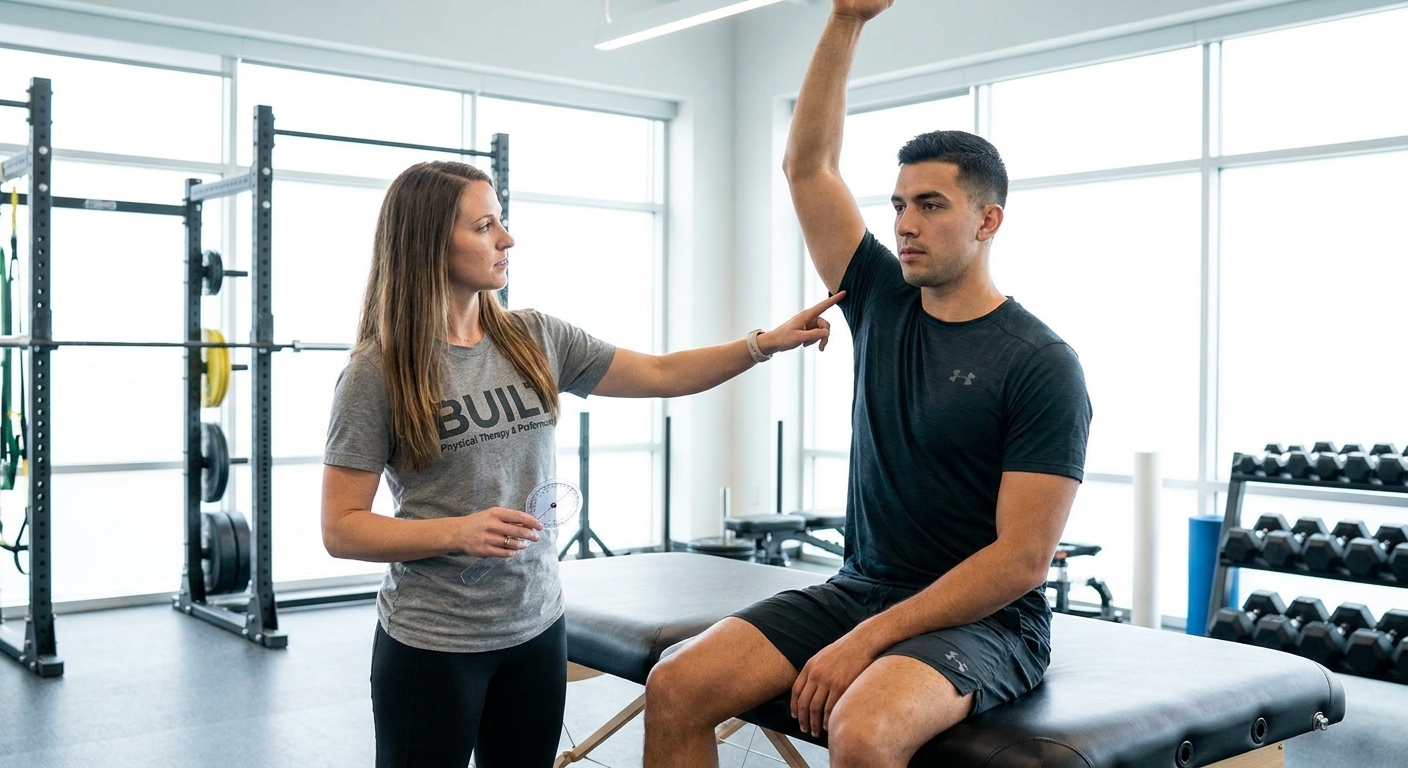
For shoulder impingement and rotator cuff irritation, initial pain relief often comes within 3 to 6 weeks. Building the stability needed for full overhead movement and heavier loading typically takes 8 to 16 weeks.
Conditions like frozen shoulder or a more significant rotator cuff tear may require longer timelines depending on severity. Treatment focuses on restoring mechanics so you can press, pull, and carry with confidence and without compensation.
Low Back Pain and Spine Conditions
For general low back pain, meaningful improvement in daily activities is often seen within 2 to 6 weeks. Athletes looking to return to heavy lifting, such as deadlifts or squats, typically benefit from 6 to 12 weeks of focused strength and conditioning work to rebuild core stability and spinal resilience.
Sciatica and other nerve-related spine conditions may follow a different trajectory and often require a more targeted approach to address the root cause rather than symptoms alone.
Knee Pain and Lower Extremity Injuries
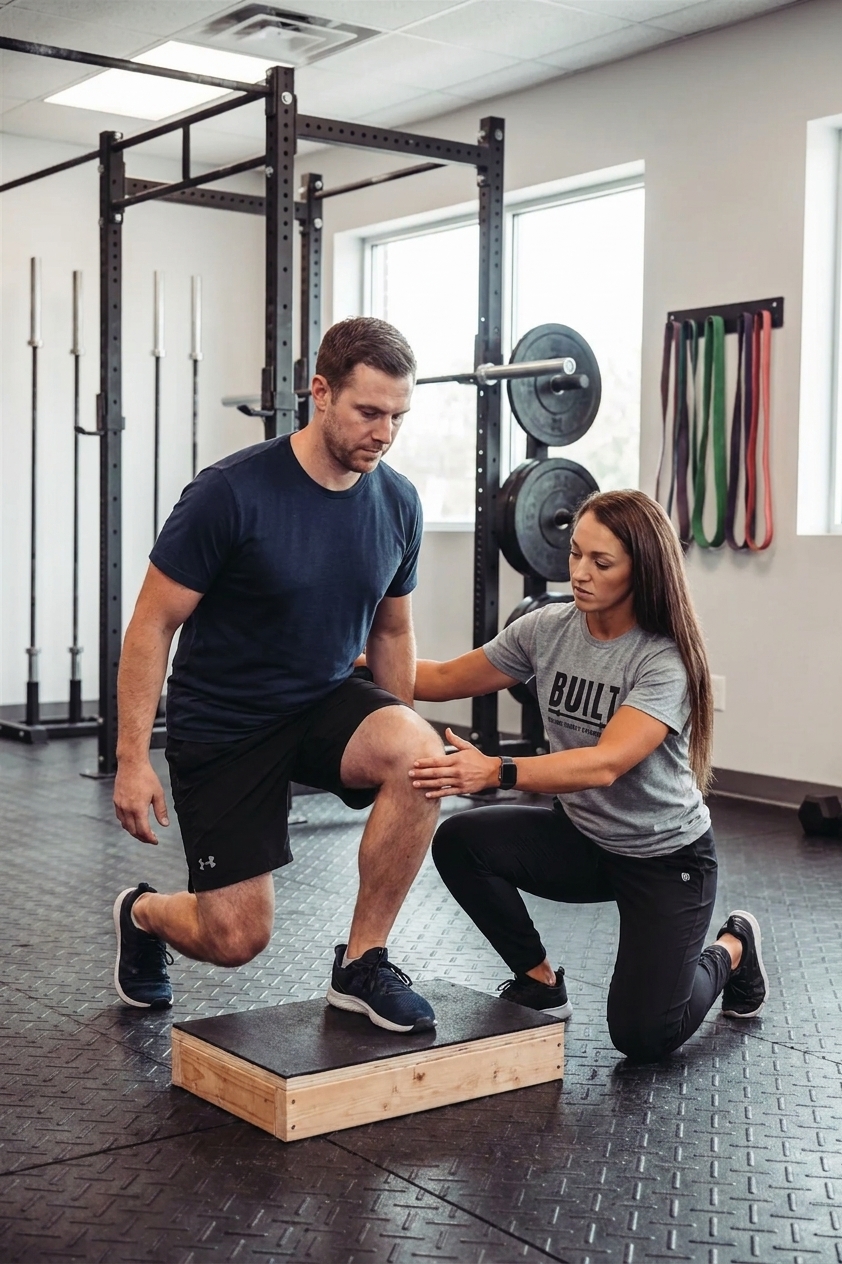
For runner's knee, meniscus irritation, or IT band syndrome, initial relief may come within 3 to 8 weeks. Regaining the strength and control needed for jumping, cutting, and aggressive lateral movement typically takes 8 to 16 weeks.
ACL injuries and post-surgical rehabilitation follow longer, more structured timelines. Return-to-sport progressions are built around objective strength and movement benchmarks, not just how you feel on a given day.
Plantar Fasciitis and Ankle Injuries
Plantar fasciitis is a common overuse injury among runners and athletes that responds well to a combination of manual therapy, targeted loading, and movement retraining. Most individuals see significant improvement within 6 to 10 weeks.
Ankle sprains, depending on severity, may resolve in 3 to 8 weeks for return to basic activity. Full return to sport with confidence in lateral movement and reactive stability often takes longer and benefits from a structured sports physical therapy program.
Why Performance Physical Therapy at BUILT Physical Therapy & Performance Is Different
At BUILT Physical Therapy & Performance in Valparaiso, the approach is built for athletes and active individuals. The focus is on identifying the root cause of your pain and building the capacity to perform at your highest level.
- One-on-one care: Every session is dedicated time with your physical therapist, with no aides or rotating providers.
- Gym-based setting: Treatment takes place in an environment that uses real strength equipment, bridging the gap between rehabilitation and performance training.
- Treatment from day one: Work begins at your initial evaluation. There is no delay in getting to the interventions that matter.
- Direct access: In Indiana, you do not need a physician referral to begin physical therapy, so you can start your recovery without waiting.
- Performance-focused outcomes: Whether your goal is return to sport, return to running, strength building, or injury prevention, the program is designed around what matters to you.
Take the Next Step Toward Full Recovery
Stop guessing and start moving forward. If you are tired of asking how much longer and are ready for a clear path back to full strength, BUILT Physical Therapy & Performance is ready to help.
Whether you are dealing with a nagging overuse injury, recovering from surgery, or simply want to move and perform better, the team at BUILT Physical Therapy & Performance in Valparaiso is here to guide you back to your goals.


Comments